











Turquoise Prayer Beads

Nishaburi Turquoise Tasbih with 2×66 & 3×101 beads
Original price was: €800.0.€699.0Current price is: €699.0.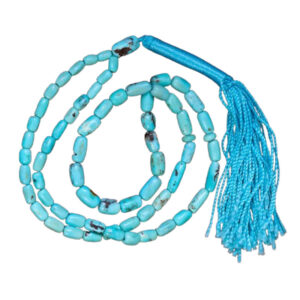
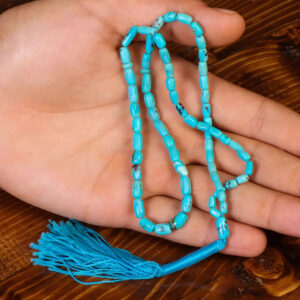
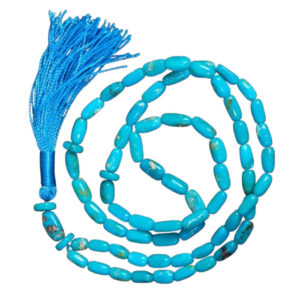
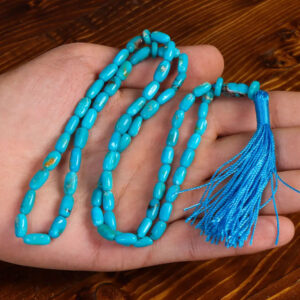
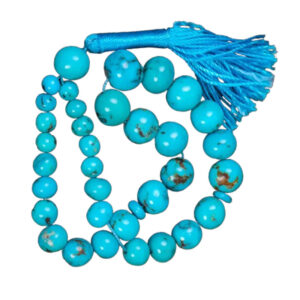
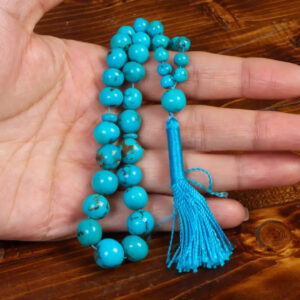
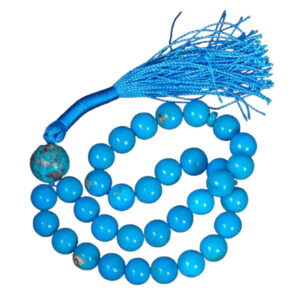
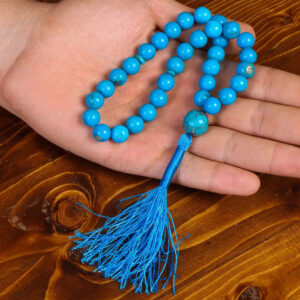
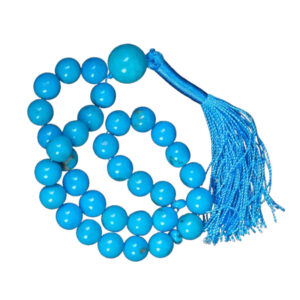
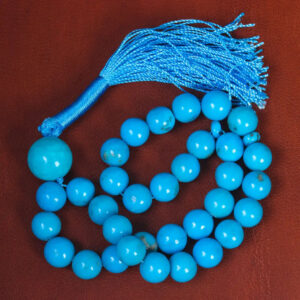
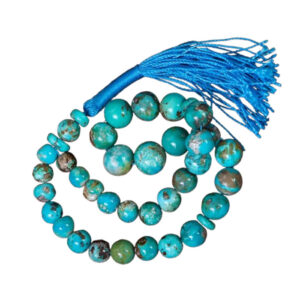
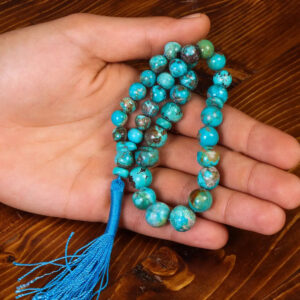
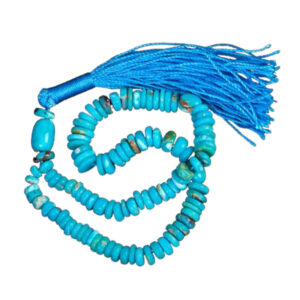
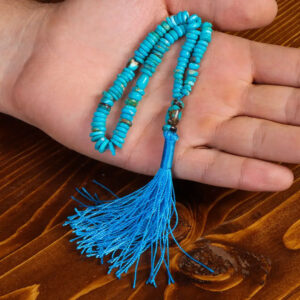
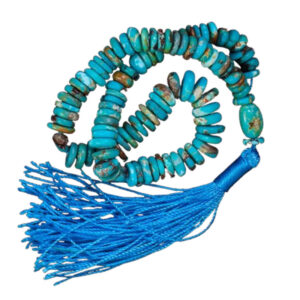
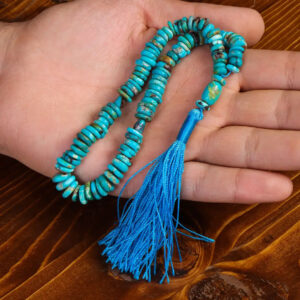
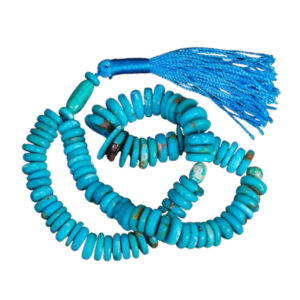
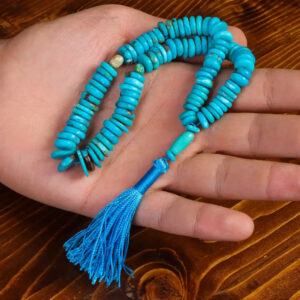
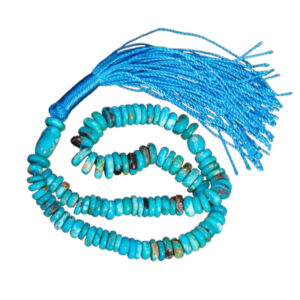
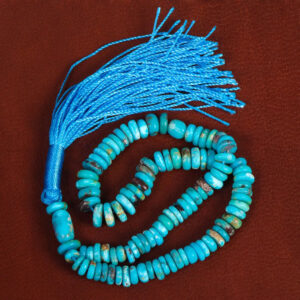
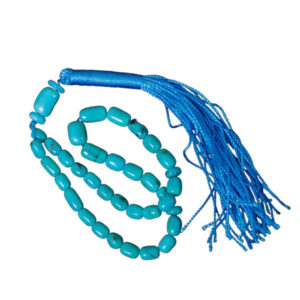
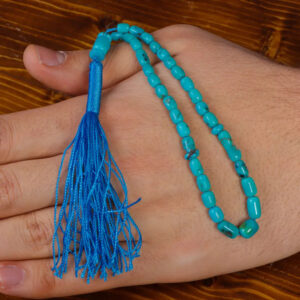
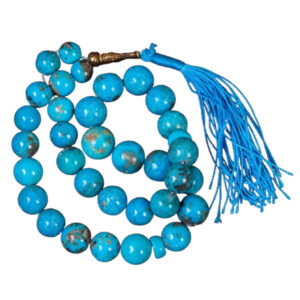
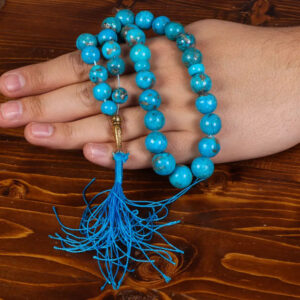

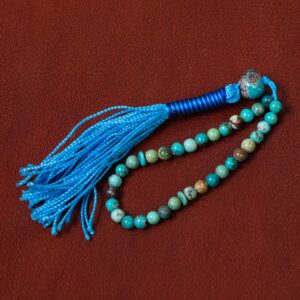
Original Stone Turquoise (feroza) Tasbeeh Craft, 33 beads
Original price was: €210.0.€177.0Current price is: €177.0.
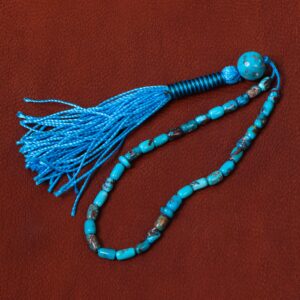
Natural Elegance Turquoise (feroza) Tasbih Prayer, 33 beads
Original price was: €210.0.€177.0Current price is: €177.0.
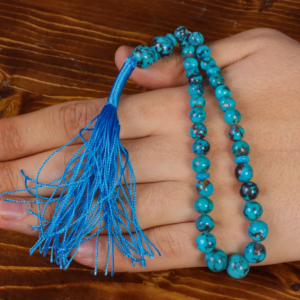
Authentic Turquoise (firoozeh) Reflection Tasbih Prayer, 33 beads
Original price was: €220.0.€189.0Current price is: €189.0.
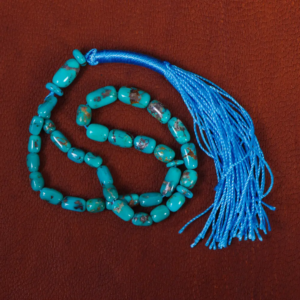
Genuine Feroza Spiritual Tasbih Prayer Beads, 33 beads
Original price was: €220.0.€185.0Current price is: €185.0.
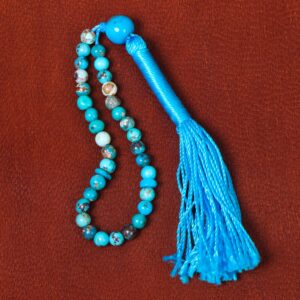
Real Crafted Devotion Turquoise Prayer Beads, 33 beads
Original price was: €200.0.€175.0Current price is: €175.0.
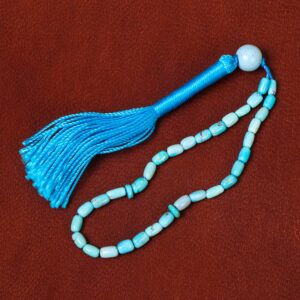
Real Durable Elegance Feroza Prayer Beads, 33 beads
Original price was: €200.0.€179.0Current price is: €179.0.
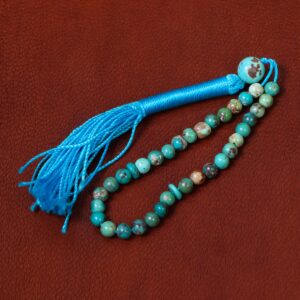
Real Meditative Quality Turquoise Strands Tasbih, 33 beads
Original price was: €200.0.€179.0Current price is: €179.0.
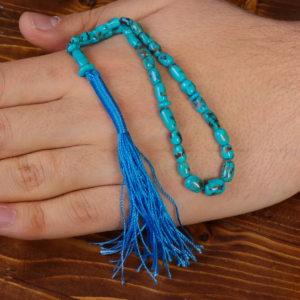
Real Spiritual Serenity Feroza Stone Tasbih, 33 beads
Original price was: €220.0.€184.0Current price is: €184.0.
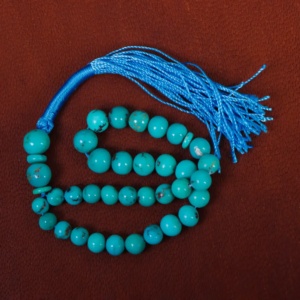
Genuine Turquoise Stone Treasure Tasbih (Islamic prayer beads), 33 beads
Original price was: €250.0.€192.0Current price is: €192.0.
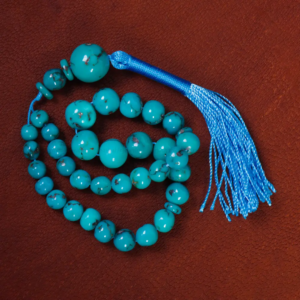
Artisanal Turquoise Meditation Tasbih (Islamic prayer beads), 33 beads
Original price was: €250.0.€199.0Current price is: €199.0.
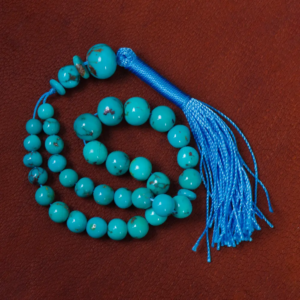
Origina Persian Feroza tasbeeh 33 beads Elegance
Original price was: €250.0.€199.0Current price is: €199.0.
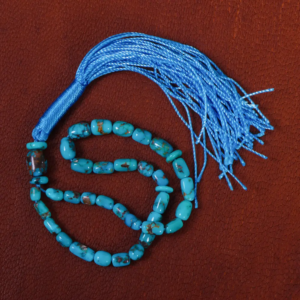
Real Quality Crafted Turquoise (Feroza) Tasbih with 33 beads
Original price was: €220.0.€186.0Current price is: €186.0.
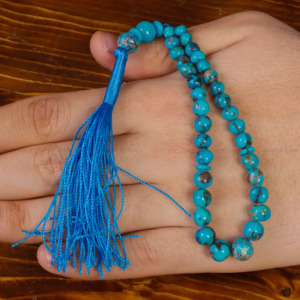
Natural Turquoise Stone Spiritual Tasbih with 33 beads
Original price was: €220.0.€193.0Current price is: €193.0.
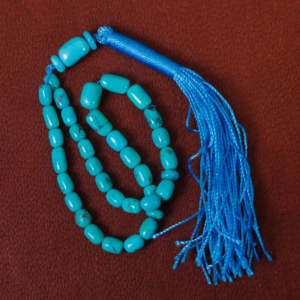
Real Authentic Feroza Prayer Beads with 33 beads
Original price was: €220.0.€189.0Current price is: €189.0.
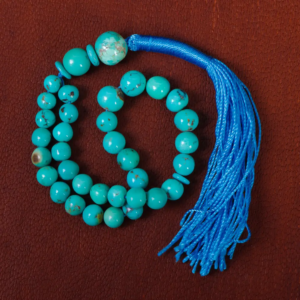
Real Handmade Harmony Turquoise Tasbih with 33 beads
Original price was: €240.0.€198.0Current price is: €198.0.
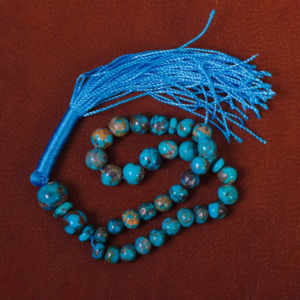
Original 33 beads Turquoise (feroza) Tasbih
Original price was: €240.0.€219.0Current price is: €219.0.
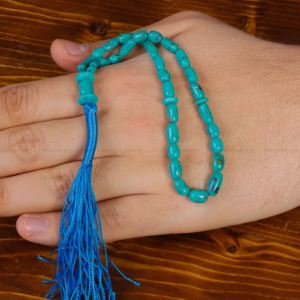
Real Neyshaboor Turquoise (feroza) Tasbih with 33 beads
Original price was: €240.0.€219.0Current price is: €219.0.
Orginal Turquoise (feroza) Tasbih, 101 beads, Real Turquoise
Original price was: €270.0.€249.0Current price is: €249.0.
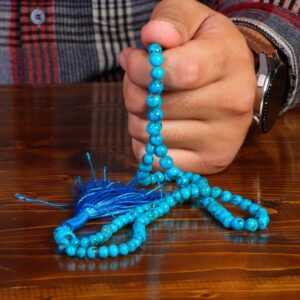
Real Turquoise (feroza) Tasbih, 101 beads, Orginal Turquoise
Original price was: €270.0.€249.0Current price is: €249.0.Shop Premium Turquoise (Feroza, Firoozeh) Prayer Beads Tasbih Online

Discover the captivating beauty of turquoise (feroza, firoozeh) prayer beads tasbih at Ersaly, your trusted source for authentic tasbih and misbaha. Revered across cultures for their vibrant blue hues and spiritual significance, our turquoise prayer beads tasbih blend tradition with elegance.
A turquoise tasbih does two things at once that most prayer tools can’t: it grounds you in centuries of Islamic tradition, and it’s genuinely beautiful to hold. Persian turquoise — feroza — has been carried by believers since before Islam itself, and the combination of Neyshabur’s vivid sky-blue stone with the rhythmic movement of dhikr creates a prayer experience that is both spiritually meaningful and physically calming.
At Ersaly, every Persian turquoise tasbih is strung from genuine Neyshabur stone beads, handcrafted in Iran, and shipped worldwide with full authenticity documentation.
Why Buy Authentic Turquoise Prayer Beads?
The tasbih market is saturated with dyed glass, plastic, and howlite beads sold under the name “turquoise.” It matters — not just for price integrity, but because the experience of holding a genuine natural stone is simply different. Natural Neyshabur turquoise has a cool, dense weight in the hand; each bead has its own subtle variations in color and pattern; and the stone’s surface, polished but not artificial, improves with use as the natural oils of your skin deepen its character over years.
Beyond the sensory experience, turquoise carries specific religious significance in Islamic tradition. It’s recommended in narrations from multiple Imams, associated with protection, blessings, and spiritual clarity.
Imam Ali (AS) is reported to have said that turquoise protects a believer from harm( u can see imam ali rings in ersaly too). Imam Musa al-Kadhim (AS) wore a turquoise ring inscribed with divine names. Using a genuine feroza tasbih for your daily dhikr connects you to this tradition in a way that a dyed plastic substitute simply cannot.
The misbaha is used by Muslims for dhikr the recitation of prayers and glorification of Allah. A typical misbaha consists of 33 or 99 beads, corresponding to specific counts: 33 recitations of SubhanAllah, 33 of Alhamdulillah, and 34 of Allahu Akbar completing 100 total glorifications after each prayer.
When that counting is done on a turquoise tasbih sourced directly from Iran’s Neyshabur mines, the act of worship carries both its spiritual weight and the weight of Iranian Islamic heritage.
Buy Persian Turquoise Tasbih Online
Finding a genuine feroza tasbih outside Iran is harder than it should be. Most international markets carry dyed imitations or low-grade stabilized stone presented as premium Persian turquoise. Ersaly solves that problem directly.
We source exclusively from Neyshabur, Iran — the world’s oldest and most respected turquoise mining region. Every tasbih in our collection is made by Iranian craftsmen using genuine stone, with full documentation that confirms exactly what you’re buying.
We ship worldwide including to the United States, United Kingdom, UAE, Australia, Canada, Japan, Germany, Switzerland, Sweden, China, India, France, Russia, Italy, Spain, Qatar, and Saudi Arabia, with delivery typically taking 7–16 days from the order date.
Every order includes:
- 99-year authenticity certificate
- Official invoice
- Photo of your specific item before dispatch
- Full tracking from Iran to your door
- 24/7 customer support
- Return and exchange guarantee
Persian Turquoise Beads Price Guide
What Affects the Price of Turquoise Tasbih?
At Ersaly, turquoise tasbih prayer beads are priced from approximately €35 to €180, depending on several factors. Understanding what drives price helps you choose the right piece for your budget without getting misled.
Stone grade and origin are the biggest variable. Genuine Neyshabur turquoise is more expensive than turquoise from other sources — and significantly more expensive than dyed howlite or reconstituted stone.
Within Neyshabur material, top-grade Ajami beads (solid sky-blue, no matrix) command the highest price; Shajari beads with spiderweb matrix patterns are distinctive and sought-after but slightly lower in grade. Both are genuine.
Bead count affects price directly — a 99-bead tasbih uses three times as much stone as a 33-bead version. Our collection includes 33, 66, 99, and 101-bead configurations; larger counts are priced accordingly.
Bead size matters too. Larger beads (10–12mm) require more stone per bead, are harder to match for color consistency across the string, and take more time to drill and polish evenly. Smaller beads (6–8mm) are more affordable while still delivering the same genuine material quality.
String and finishing — high-quality tasbihs are strung on silk thread with silver or gold-tone spacers, dividers, and a properly finished alif (imam bead). Cheaper construction uses nylon cord and plastic dividers that wear out quickly and look cheap from the first use.
Natural vs. Treated Turquoise Beads
This is the most important distinction to understand before buying any turquoise tasbih.
Natural turquoise — mined, cut, and polished with no chemical treatment — is the rarest and most valuable. It’s also the most honest representation of what the stone actually is. Natural Neyshabur turquoise is hard enough that it doesn’t always require stabilization, which is part of what makes it exceptional.
Stabilized turquoise — genuine stone treated with clear resin to harden porous material and improve polish — is still real turquoise, just treated. It’s more affordable than natural and perfectly appropriate for prayer beads. The key is that the seller discloses the treatment.
Dyed turquoise — where color has been added chemically to enhance or create the blue is the most common form of fraud. Dyed howlite and magnesite are not turquoise at all, just minerals dyed to resemble it.
At Ersaly, we specify the treatment status on every product listing. “Natural” means untreated; “treated” or “color-enhanced” means stabilized or color-improved genuine stone. We don’t carry dyed imitations.
Factors That Determine Value and Quality

Beyond stone grade, a quality Persian turquoise tasbih is distinguished by:
- Color consistency across the string — genuine Neyshabur beads from the same batch should show harmonious color, not jarring variation
- Bead uniformity — professional cutting produces beads of consistent size and shape; uneven beads indicate rushed production
- Drill hole quality — clean, centered drill holes without chips or cracks are a sign of skilled craftwork
- Knot quality — beads should be individually knotted or separated by spacers so that a broken string loses one bead, not all of them
- Overall weight and feel — a genuine natural stone tasbih feels noticeably heavier and cooler than plastic or glass
Original Feroza Tasbih: How to Identify Genuine Turquoise
With so many imitations on the market, knowing how to identify an original feroza tasbih protects your investment and your peace of mind.
1- Natural Color and Matrix Patterns
Genuine turquoise is not perfectly uniform. Real Neyshabur stone has natural color gradations — slight variations in tone from bead to bead and often features the characteristic matrix: brown or black veins that are the remnants of the host rock. These veins are physically part of the stone; you can feel them with a fingernail as slight surface variations, not just visual lines.
Fake turquoise — dyed howlite or magnesite — tends to look too perfect: artificially even color with no variation, and matrix lines that appear painted on rather than structurally embedded. If every bead in a string looks identical, that’s worth questioning. Real stone doesn’t work that way.
2- Handmade Craftsmanship
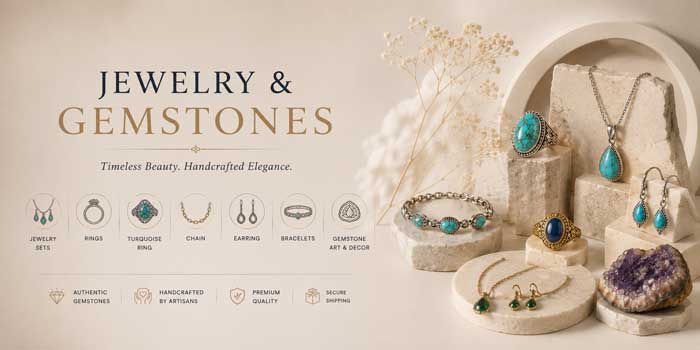
An original feroza tasbih from Iran is strung by hand, not machine-assembled. Handmade construction means each bead is individually placed, properly spaced, and knotted or separated with care. The result is a tasbih that moves naturally through the fingers, with beads that feel balanced and properly weighted. also u can see Turquoise jewelry set in ersaly online shop too.
Machine-made tasbihs (even when the beads are genuine) often feel mechanical and stiff. A hand-strung tasbih has a fluidity that makes prolonged dhikr physically comfortable rather than repetitive and rough. This is why Iranian craftsmen take stringing seriously: it’s not just assembly, it’s part of the product’s spiritual function.
3- Authenticity and Quality Indicators
When you order from Ersaly, authenticity is documented, not claimed:
- 99-year authenticity certificate stating stone type (Neyshabur turquoise), treatment status, and craftsmanship details
- Official invoice for records and customs
- Product photo before dispatch — we photograph your specific tasbih before packing so you can verify what you’re receiving
- Lowest price guarantee — genuine Neyshabur stone at a fair price, with no markup for Western retail margins
Turquoise Tasbih Prayer Beads for Sale: Choosing the Right Tasbih
Not every turquoise tasbih suits every buyer. Here’s how to choose:
Bead Size and Shape
Bead size is partly personal preference and partly practical. For everyday pocket carry and use during salah, 6–8mm round beads are the most comfortable light, easy to move between fingers, and compact enough to pocket without bulk. For a more substantial feel, something that commands attention and feels weighty in the hand 10–12mm beads deliver presence.
Larger beads are also easier to grip for people who use the tasbih for extended dhikr sessions. Oval or faceted beads are a design choice; round beads are the most traditional and the most universally comfortable for sustained use.
Stone Quality
For a daily-use tasbih, stabilized genuine turquoise is a practical choice — it’s more resistant to the wear of constant handling than fully natural stone. For a display piece, a gift, or a collector’s item, natural untreated Neyshabur turquoise is the superior option. The difference in feel and visual depth is immediate once you’ve held both. If budget allows, always choose natural.
Design and Style
Ersaly online store turquoise tasbih collection includes several design styles. Traditional Iranian designs feature round beads strung on silk with silver dividers and a tassel finish — classic, elegant, and appropriate for any setting. Contemporary designs incorporate gold-tone hardware or combine turquoise beads with silver accent beads for a more decorative result.
Some pieces feature the 101-bead count, which is a specifically Shia configuration. If you have a preference, specify it when ordering and we’ll match you with the right piece.
Daily Use or Gift Giving
For daily use, prioritize durability: good knot construction, medium bead size, stabilized stone if budget is limited. A 33-bead tasbih is the most practical for everyday pocket carry and post-prayer dhikr.
For gift giving, a 99-bead or 101-bead tasbih in a gift box with the authenticity certificate makes a genuinely meaningful present. The combination of real Iranian turquoise, traditional craftsmanship, and documented authenticity makes it a gift that communicates care and cultural knowledge — not just something bought and wrapped. Popular gift occasions include Eid, Ramadan, Hajj, graduation, and simply as an expression of love or respect.
Benefits of Owning Persian Turquoise Prayer Beads
For dhikr and prayer focus. Using a misbaha offers accuracy, you can keep exact counts of dhikr without distraction and the tactile motion of moving beads enhances concentration, helping prevent the mind from wandering during prayer. With a turquoise tasbih, that tactile element is elevated: the cool, smooth weight of genuine stone engages the senses in a way that plastic or wood cannot.
For stress relief and mindfulness. The repetitive motion of moving prayer beads has measurable calming effects. Many regular users have reported a significant improvement in heart function, recovery of normal blood pressure, a decrease of headaches, and peace of mind. This isn’t mysticism — it’s the documented effect of rhythmic, repetitive manual activity combined with focused intention.
For spiritual connection to the Imams’ tradition. Turquoise is specifically mentioned in narrations from Imam Ali (AS), Imam Musa al-Kadhim (AS), and other Imams as a stone of blessing and protection. Using a feroza tasbih for your daily dhikr is a way of practicing your faith in alignment with that tradition, using material that has been revered in Islamic and Persian culture for over two thousand years. also u can use hirze imam javad for spiritual connection.
As a lasting personal artifact. A genuine natural turquoise tasbih, properly cared for, improves with age. The stone develops depth as it absorbs the natural oils of your skin; the silk thread settles into its ideal tension; the piece becomes uniquely yours. Unlike plastic or synthetic alternatives that degrade and fade, a real stone tasbih is something you can pass on.
How to Care for Your Turquoise Tasbih
Turquoise is a beautiful stone, but it requires mindful care to maintain its color and surface quality over time.
Keep it away from water. Prolonged exposure to water — especially chlorinated or saltwater — can penetrate turquoise and alter its color, particularly in natural (unstabilized) stones. Remove your tasbih before swimming or bathing.
Avoid chemicals and perfumes. Perfumes, lotions, cleaning products, and cosmetics can all affect turquoise over time. Put your tasbih on after applying fragrance and cosmetics, not before.
Store it properly. When not in use, store your turquoise tasbih in a soft pouch or the gift box it came in, away from direct sunlight. Prolonged UV exposure can fade the color of natural turquoise.
Clean gently. If your tasbih needs cleaning, wipe the beads with a soft, dry or barely damp cloth. Never use silver polish, ultrasonic cleaners, or harsh chemicals on the beads or the string.
Handle with care. Despite being a relatively hard stone (Mohs 5–6), turquoise can chip or crack if dropped onto hard surfaces. The drill holes are the most vulnerable point; avoid putting any stress on the string near the beads.
With these simple precautions, a genuine Neyshabur turquoise tasbih will remain beautiful for decades of daily use.
FAQ for Persian turquoise beads
How can I identify genuine Persian turquoise beads?
Genuine Persian turquoise has a few reliable characteristics. The color is not perfectly uniform real stone shows natural gradations and subtle variations between beads. The matrix (brown or black veining) is physically part of the stone; you can feel the veins as slight surface texture, not just see them as flat painted lines.
The beads feel cool and dense noticeably heavier than plastic or glass. If you want to test chemically, rub a cotton swab with acetone over a hidden area: genuine turquoise is unaffected, while dyed stone will transfer color to the swab.
Are turquoise tasbih prayer beads a good gift?
One of the best Islamic gifts you can give. A feroza tasbih combines spiritual significance, cultural heritage, genuine craftsmanship, and lasting material value in a single object. It’s appropriate for both men and women, works for any age, and carries meaning that a generic gift simply can’t match.
Popular occasions include Eid al-Fitr, Eid al-Adha, Ramadan, Hajj return gifts, graduations, and simply as an expression of care. Every Ersaly tasbih ships in gift-ready packaging with an authenticity certificate so the recipient knows exactly what they’re holding and why it matters.
Why are Persian turquoise prayer beads highly valued?
Three reasons combine to make Persian turquoise prayer beads uniquely valuable. First, the stone itself: Neyshabur turquoise from Iran is geologically exceptional — naturally harder than most turquoise, with a purer and more vivid blue color that doesn’t require chemical enhancement to achieve.
It’s been the benchmark of turquoise quality for over two thousand years, traded along the Silk Road to China, Egypt, and Europe, and prized by rulers and collectors everywhere. Second, the spiritual significance: turquoise is specifically recommended in Islamic narrations from multiple Imams as a stone of blessing, protection, and spiritual clarity.